
// Practical Shooting
ARTICLE ID: SHO-TIP-TAC
Tactical vs Practical Shooting
A comparison of tactical and practical shooting, clarifying how goals, context, and training assumptions differ.
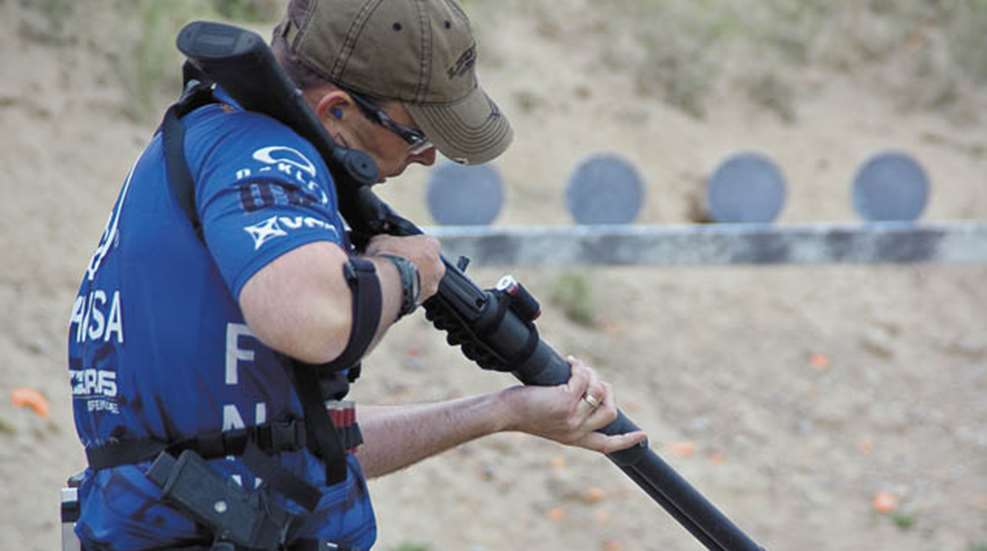
Practical shootingGlossaryPractical ShootingA dynamic shooting discipline built around movement, stage planning, accuracy, speed, and problem solving under measured conditions. and tactical shootingGlossaryTactical ShootingA training style focused on defensive or operational scenarios, where context and procedure often matter more than pure match performance. are two distinct shooting disciplines that are often confused with each other due to their similar-sounding names. However, there are important differences between the two that are worth exploring.
PRACTICAL SHOOTINGGlossaryPractical ShootingA dynamic shooting discipline built around movement, stage planning, accuracy, speed, and problem solving under measured conditions.:
Practical shootingGlossaryPractical ShootingA dynamic shooting discipline built around movement, stage planning, accuracy, speed, and problem solving under measured conditions. is a sport that involves shooting at targets under a variety of conditions that simulate real-world scenarios. The goal of practical shootingGlossaryPractical ShootingA dynamic shooting discipline built around movement, stage planning, accuracy, speed, and problem solving under measured conditions. is to test the shooter’s accuracy, speed, and decision-making abilities while under pressure. Practical shootingGlossaryPractical ShootingA dynamic shooting discipline built around movement, stage planning, accuracy, speed, and problem solving under measured conditions. events are typically timed and scored based on accuracy and speed, with penalties for missed targets, improper technique, or safety violations.
One of the key aspects of practical shootingGlossaryPractical ShootingA dynamic shooting discipline built around movement, stage planning, accuracy, speed, and problem solving under measured conditions. is its emphasis on speed and accuracy. Shooters must be able to quickly and accurately engage multiple targets while moving and changing positions. They must also be able to transition quickly between different firearms, such as pistols, rifles, and shotguns.
Practical shootingGlossaryPractical ShootingA dynamic shooting discipline built around movement, stage planning, accuracy, speed, and problem solving under measured conditions. events often include a variety of stages, each with its own set of targets and obstacles. Shooters must adapt to each stage and use different techniques and strategies to achieve the best score possible.
TACTICAL SHOOTINGGlossaryTactical ShootingA training style focused on defensive or operational scenarios, where context and procedure often matter more than pure match performance.:
Tactical shootingGlossaryTactical ShootingA training style focused on defensive or operational scenarios, where context and procedure often matter more than pure match performance., on the other hand, is a training methodology used by law enforcement, military, and other security professionals to prepare for real-world situations. The goal of tactical shootingGlossaryTactical ShootingA training style focused on defensive or operational scenarios, where context and procedure often matter more than pure match performance. is to teach shooters how to effectively engage targets while under stress and in dynamic environments.
Unlike practical shootingGlossaryPractical ShootingA dynamic shooting discipline built around movement, stage planning, accuracy, speed, and problem solving under measured conditions., which is a sport, tactical shootingGlossaryTactical ShootingA training style focused on defensive or operational scenarios, where context and procedure often matter more than pure match performance. is a training methodology that is designed to prepare shooters for real-world scenarios. Shooters must be able to quickly and accurately engage targets while moving, communicating with teammates, and making tactical decisions.
Tactical shootingGlossaryTactical ShootingA training style focused on defensive or operational scenarios, where context and procedure often matter more than pure match performance. events often involve more complex scenarios than practical shootingGlossaryPractical ShootingA dynamic shooting discipline built around movement, stage planning, accuracy, speed, and problem solving under measured conditions. events. Shooters may be required to engage multiple targets while under simulated fire, rescue hostages, or perform other tasks that require a high level of teamwork and coordination.
One of the key aspects of tactical shootingGlossaryTactical ShootingA training style focused on defensive or operational scenarios, where context and procedure often matter more than pure match performance. is its emphasis on safety and situational awareness. Shooters must be able to quickly identify threats and respond appropriately, while also ensuring that innocent bystanders are not put in harm’s way.
KEY DIFFERENCES:
The key difference between practical shootingGlossaryPractical ShootingA dynamic shooting discipline built around movement, stage planning, accuracy, speed, and problem solving under measured conditions. and tactical shootingGlossaryTactical ShootingA training style focused on defensive or operational scenarios, where context and procedure often matter more than pure match performance. is their purpose. Practical shootingGlossaryPractical ShootingA dynamic shooting discipline built around movement, stage planning, accuracy, speed, and problem solving under measured conditions. is a sport that is designed to test the shooter’s accuracy, speed, and decision-making abilities in a simulated environment, while tactical shootingGlossaryTactical ShootingA training style focused on defensive or operational scenarios, where context and procedure often matter more than pure match performance. is a training methodology that is designed to prepare shooters for real-world scenarios.
While there is some overlap between the two disciplines, such as the need for accuracy and speed, the techniques and strategies used in each are often quite different. Practical shooters may use techniques that are optimized for speed and accuracy, while tactical shooters may use techniques that are optimized for safety and situational awareness.
In conclusion, while practical shootingGlossaryPractical ShootingA dynamic shooting discipline built around movement, stage planning, accuracy, speed, and problem solving under measured conditions. and tactical shootingGlossaryTactical ShootingA training style focused on defensive or operational scenarios, where context and procedure often matter more than pure match performance. may share some similarities, they are two distinct disciplines with different purposes and training methodologies. Understanding the differences between the two can help shooters choose the right discipline for their needs and goals.